
Blog

Uncategorised

Large Outdoor Planters Buying Guide

In large-scale landscape architecture and urban planning, a planter is never “just a pot.” It is a structural element that must harmonize with architectural vision while enduring the rigors of public use and environmental extremes. For professionals—landscape architects, developers, and facility managers—choosing the right large outdoor planter involves a complex calculation of structural loading, material longevity, and aesthetic versatility. While traditional materials like stone, timber, or standard precast concrete have their place, Glass Fiber Reinforced Concrete (GRC/GFRC) has emerged as the definitive solution for high-specification projects. This guide explores the technical and economic factors that make GRC the preferred choice for modern infrastructure. 1. Structural Integrity vs. Weight: The GRC Advantage One of the most significant challenges in modern urban design, particularly for rooftop gardens and elevated podiums, is weight. Traditional precast concrete planters are exceptionally heavy, often requiring additional structural reinforcement of the building itself, which drives up total project costs.

Read More »
Uncategorised

6 Reasons Why You Should Use GRG Ceiling Panels

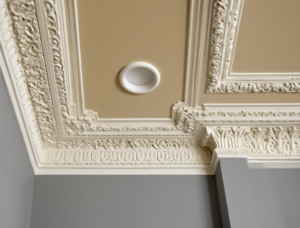
In modern architecture and interior design, ceiling design is often overlooked, yet it remains a crucial element in defining a space’s ambiance. Whether for commercial projects or residential designs, a well-chosen ceiling not only elevates the overall aesthetic but also enhances the functionality of the space. GRG ceiling panels (Glass-Reinforced Gypsum) are increasingly becoming the preferred choice for designers. Today, we explore why they might just become your new favorite. 1. Durable and reliable for worry-free use One of the greatest advantages of GRG ceiling panels is their durability. Combining gypsum and fiberglass, they ensure lightweight construction while delivering exceptional strength and toughness. Compared to traditional gypsum boards, GRG ceilings outperform in impact resistance, crack resistance, and abrasion resistance. Picture a bustling hotel lobby or busy office environment—GRG ceilings withstand daily wear and tear while maintaining their integrity and aesthetic appeal. Life Scenario: Imagine stepping into a stylish café where the

Read More »
Uncategorised

Which is Better: PVC, GRC, or Gypsum Ceiling?

Ceilings are an essential component of any room, connecting the roof to the space below. In Indonesia, several materials are used for ceilings, with PVC, GRC (Glass Reinforced Concrete), and Gypsum being the most common. Each of these materials has its own set of advantages and disadvantages, and choosing between them depends on aesthetic preferences, budget, and practical needs. After reviewing the comparison of the three materials, I believe you will make your own judgment. PVC Ceilings What is PVC Ceiling? PVC ceilings are made from polyvinyl chloride (PVC), a durable and moisture-resistant plastic material. The panels are typically assembled on the ceiling to create a neat and attractive visual effect. Advantages of PVC Ceilings: Water Resistance: PVC is highly resistant to water and moisture, making it ideal for areas prone to dampness, like bathrooms. Low Cost: One of the main reasons PVC is popular is its affordability, making it

Read More »
Uncategorised

Key Considerations When Sourcing GRC/GFRC Products

Glass Fiber Reinforced Concrete (GRC), also known as GFRC, has become one of the most versatile and innovative materials in the construction industry. Its strength, light weight, and ability to take on complex forms make it highly attractive for architects, contractors, and developers alike. However, specifying or ordering GRC products is not simply a matter of choosing a material off the shelf. To ensure that the components perform as expected and deliver long-term value, it is critical to understand the key considerations that go into selecting the right grade of GRC and the right manufacturing partner. This article outlines the essential factors construction professionals should take into account when working with GRC, with a focus on performance standards, external applications, large-scale design assurance, and supplier selection. 1. Selecting the Appropriate Grade of GRC Not all GRC products are the same. Depending on the application, the grade of GRC can vary

Read More »
Uncategorised

GRC vs Traditional Concrete

1. Introduction Concrete has been the backbone of construction for centuries, forming the foundation of countless structures worldwide. However, technological advancements have introduced innovative materials that challenge traditional concrete’s dominance. One such material is Glassfiber Reinforced Concrete (GRC), also known as GFRC. Both materials offer distinct strengths and applications, but understanding their differences is crucial for selecting the right option for your project. In this article, we’ll explore the properties, benefits, drawbacks, and ideal applications of GRC and traditional concrete, helping you make an informed decision. 2. What is GRC? Glassfiber Reinforced Concrete is a composite material made of cement, fine aggregates, water, polymers, and alkali-resistant glass fibers. Unlike steel reinforcement in conventional concrete, the glass fibers are evenly distributed throughout the mix, providing exceptional tensile strength and flexibility. Originally developed in the late 20th century, GRC quickly became popular for architectural and decorative applications because of its lightweight nature and

Read More »
Uncategorised

GRC vs. Terracotta: Choosing the Right Material for Construction and Architectural Projects

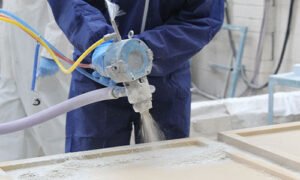
In modern architectural and construction, material selection is a crucial step that directly influences the performance, aesthetics, and long-term value of a project. Among the various materials available, Glassfiber Reinforced Concrete (GRC) and Terracotta are two that stand out due to their long histories and wide-ranging applications. While both are used for architectural panels, planters, decorative elements, and landscape furniture, they differ significantly in their composition, fabrication, and properties. This article presents a detailed comparison between GRC and Terracotta to support architects, landscape designers, and developers in choosing the right material for their design objectives. Material Composition and Manufacturing Techniques GRC, or Glassfiber Reinforced Concrete, is a modern composite material made from cement, fine sand, water, polymers, and alkali-resistant glass fibers. These fibers play a critical role in reinforcing the concrete matrix, significantly enhancing tensile and flexural strength without increasing weight. GRC components are produced using methods such as: Spray-up:

Read More »
Uncategorised

The Role of Glass Fiber in GRC: Enhancing Durability, Precision, and Quality Control

Why Glass Fiber Matters in GRC Glass Fiber Reinforced Concrete (GRC or GFRC) is an advanced composite material widely used in architecture, landscaping, and urban furniture. Its performance relies heavily on alkali-resistant (AR) glass fiber, which gives GRC its characteristic balance of flexibility, durability, and formability. By using the right type and dosage of glass fiber, manufacturers ensure that products like GRC planters, cladding panels, and outdoor furniture meet strict mechanical and aesthetic standards. Durability in Outdoor Environments AR glass fiber resists corrosion in cement’s alkaline environment, providing long-term structural integrity even under: Intense UV radiation, Wet/dry cycles, snow, and freeze-thaw conditions, Aggressive urban or marine environments. This makes GRC a reliable, low-maintenance material for long-lasting outdoor installations. Why Alkali-Resistant (AR) Glass Fiber Is Essential -Resistance to Cement Chemistry AR glass fiber is engineered with high zirconia content (≥16.5%) to withstand the high alkalinity of cement paste. Without this, ordinary

Read More »
Uncategorised

Conshell: Delivering Success with Exceptional Supply Speed, Product Quality, and Customer Service – A Case Study with an Australian Real Estate Developer

In today’s increasingly competitive global construction market, choosing a reliable supplier is crucial for keeping projects on track. With its rapid supply, premium product quality, and outstanding customer service, Conshell successfully helped an Australian real estate developer overcome long-standing supply issues and establish a strong, long-term partnership. Here’s a detailed look at this success story.   Customer’s Challenge: Slow Supply and Inconsistent Quality Delayed the Project   The Australian real estate developer initially found Conshell on Alibaba and inquired about GRC flower boxes for a commercial residential project. The order involved 300+ pieces in over a dozen different styles.   During discussions, we learned that the original supplier had slow delivery times and inconsistent product quality, causing significant project delays. After multiple failed attempts to resolve the issues, the customer turned to Conshell for a solution.   Conshell’s Three Key Advantages: Fast Supply + Superior Quality + Exceptional Service  

Read More »
Uncategorised

How to import GRC Material from China?

In the ever-evolving landscape of architecture and design, Glass Fiber Reinforced Concrete (GRC) has revolutionized the way we approach outdoor spaces. Known for its exceptional versatility, durability, and aesthetic range, GRC is rapidly becoming the material of choice for landscaping and architectural projects worldwide. As demand for GRC grows, China has emerged as the ultimate source for high-quality, cost-effective materials that drive innovation. Let’s explore why China is the go-to destination for sourcing GRC, how to find the right suppliers, and how to navigate the logistics of international trade seamlessly.  Why choose China as the Construction Material Supplier?  1. Unbeatable Cost Efficiency China’s powerful manufacturing impresses the whole world. With state-of-the-art production facilities and a deep understanding of economies of scale, Chinese manufacturers can offer GRC products at a fraction of the cost found in other regions—without compromising on quality. This price advantage makes China a highly attractive option for businesses

Read More »
Uncategorised

Optimizing GRG (Glass Fiber Reinforced Gypsum) Applications: Packaging and Delivery Guidelines

Introduction to GRG Glass Fiber Reinforced Gypsum (GFRG or GRG) is an advanced material known for its strength, durability, and versatility. Made by reinforcing high-strength alpha gypsum with glass fibers, GRG can be molded into nearly any shape or size, making it ideal for interior or sheltered areas. As a non-combustible material with excellent flame spread and smoke development ratings (per ASTM E-84), GRG is lighter and stronger than traditional plaster castings, weighing only 2-3 pounds per square foot (10-15 kg/m²). These characteristics, combined with its use of post-consumer recycled materials and minimized framing requirements, make GRG a preferred choice for sustainable construction projects. Proper handling, packaging, and delivery are essential to preserving the quality and functionality of GRG products. Packaging Effective packaging ensures that GRG products maintain their integrity during storage and transportation. The following practices are recommended: Product Placement: Finished GRG items should be stored with the longer side

Read More »

Ask For A Quick Quote

We will contact you within 1 working day, please pay attention to the email with the suffix “@constructgrc.com”