Selecting the Ideal Architectural Materials for Modern Curtain Wall Systems
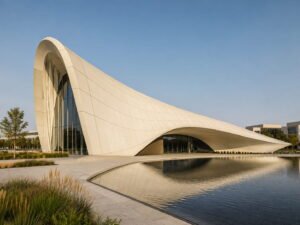
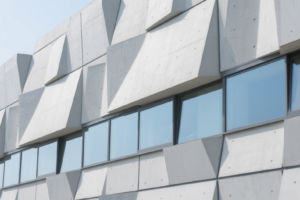
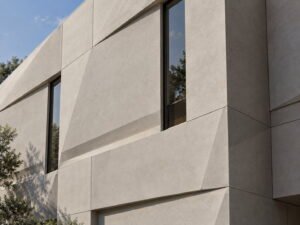
Discover how modern cladding materials balance weight, thermal efficiency, and design to optimize high-performance curtain wall systems.

Discover how modern cladding materials balance weight, thermal efficiency, and design to optimize high-performance curtain wall systems.

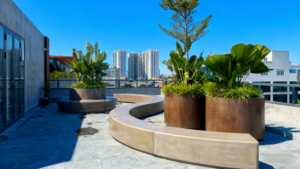
Discover how Glass Fiber Reinforced Concrete (GRC) outdoor planters balance structural integrity, reduced dead load, and aesthetic versatility for modern projects…

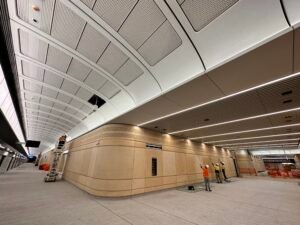
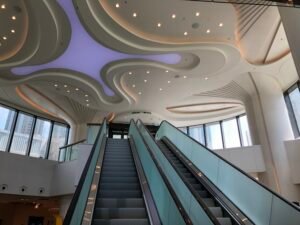
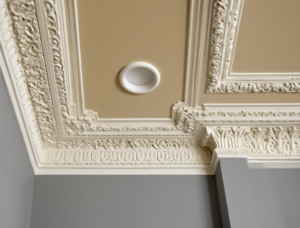
In modern architecture and interior design, ceiling design is often overlooked, yet it remains a crucial element in defining a space’s ambiance. Whether for commercial projects or residential designs…

Ceilings are an essential component of any room, connecting the roof to the space below. In Indonesia, several materials are used for ceilings…

Glass Fiber Reinforced Concrete (GRC), also known as GFRC, has become one of the most versatile and innovative materials in the construction industry. Its strength, light weight, and ability to…

Glassfiber Reinforced Concrete is a composite material made of cement, fine aggregates, water, polymers, and alkali-resistant glass fibers…

In modern architectural and construction, material selection is a crucial step that directly influences the performance, aesthetics, and long-term value of a project. Among the various materials available, Glassfiber Reinforced Concrete (GRC) and Terracotta are two that stand out due to their long histories and wide-ranging applications. While both are used for architectural panels, planters, decorative elements, and landscape furniture, they differ significantly in their composition, fabrication, and properties. This article presents a detailed comparison between GRC and Terracotta to support architects, landscape designers, and developers in choosing the right material for their design objectives. Material Composition and Manufacturing Techniques GRC, or Glassfiber Reinforced Concrete, is a modern composite material made from cement, fine sand, water, polymers, and alkali-resistant glass fibers. These fibers play a critical role in reinforcing the concrete matrix, significantly enhancing tensile and flexural strength without increasing weight. GRC components are produced using methods such as: Spray-up:

Why Glass Fiber Matters in GRC Glass Fiber Reinforced Concrete (GRC or GFRC) is an advanced composite material widely used in architecture, landscaping, and urban furniture. Its performance relies heavily on alkali-resistant (AR) glass fiber, which gives GRC its characteristic balance of flexibility, durability, and formability. By using the right type and dosage of glass fiber, manufacturers ensure that products like GRC planters, cladding panels, and outdoor furniture meet strict mechanical and aesthetic standards. Durability in Outdoor Environments AR glass fiber resists corrosion in cement’s alkaline environment, providing long-term structural integrity even under: Intense UV radiation, Wet/dry cycles, snow, and freeze-thaw conditions, Aggressive urban or marine environments. This makes GRC a reliable, low-maintenance material for long-lasting outdoor installations. Why Alkali-Resistant (AR) Glass Fiber Is Essential -Resistance to Cement Chemistry AR glass fiber is engineered with high zirconia content (≥16.5%) to withstand the high alkalinity of cement paste. Without this, ordinary

In today’s increasingly competitive global construction market, choosing a reliable supplier is crucial for keeping projects on track. With its rapid supply, premium product quality, and outstanding customer service, Conshell successfully helped an Australian real estate developer overcome long-standing supply issues and establish a strong, long-term partnership. Here’s a detailed look at this success story. Customer’s Challenge: Slow Supply and Inconsistent Quality Delayed the Project The Australian real estate developer initially found Conshell on Alibaba and inquired about GRC flower boxes for a commercial residential project. The order involved 300+ pieces in over a dozen different styles. During discussions, we learned that the original supplier had slow delivery times and inconsistent product quality, causing significant project delays. After multiple failed attempts to resolve the issues, the customer turned to Conshell for a solution. Conshell’s Three Key Advantages: Fast Supply + Superior Quality + Exceptional Service

In the ever-evolving landscape of architecture and design, Glass Fiber Reinforced Concrete (GRC) has revolutionized the way we approach outdoor spaces. Known for its exceptional versatility, durability, and aesthetic range, GRC is rapidly becoming the material of choice for landscaping and architectural projects worldwide. As demand for GRC grows, China has emerged as the ultimate source for high-quality, cost-effective materials that drive innovation. Let’s explore why China is the go-to destination for sourcing GRC, how to find the right suppliers, and how to navigate the logistics of international trade seamlessly. Why choose China as the Construction Material Supplier? 1. Unbeatable Cost Efficiency China’s powerful manufacturing impresses the whole world. With state-of-the-art production facilities and a deep understanding of economies of scale, Chinese manufacturers can offer GRC products at a fraction of the cost found in other regions—without compromising on quality. This price advantage makes China a highly attractive option for businesses
We will contact you within 1 working day, please pay attention to the email with the suffix “@constructgrc.com”