Blog

Industry Knowledge

Applications of GRP in Harsh Environments

Glass Reinforced Plastic (GRP), commonly referred to as fiberglass, is a composite material that combines a polymer matrix with glass fibers for reinforcement. Renowned for its strength, durability, and versatility, GRP is a favored option across numerous industries. In this article, we will explore the physical and chemical properties of GRP, its applications in challenging environments, and the advantages it offers under harsh conditions. Overview of GRP and Its Applications GRP, or Glass Reinforced Plastic, is a composite material formed by embedding glass fibers within a polymer resin. The combination of glass fibers provides structural strength, while the polymer matrix binds the material and ensures resistance to external factors. GRP is extensively used across a wide range of industries such as construction, chemical processing, marine applications, automotive components, and more. Its versatility makes it ideal for environments where strength, flexibility, and resistance to external stress are required. Physical and Chemical Properties

Read More »
Industry Knowledge

Durability and Environmental Benefits of GRC Materials

Glass Fiber Reinforced Concrete (GRC) is a composite material made from glass fibers and cementitious components, known for its light weight, high strength, and durability. It has been widely used in architecture for exterior facades, cladding, landscaping, and other structural elements. Because of its durability and environmental benefits, GRC is one of the most important material in architectural industry. In this article, we will explore these two essential features of GRC, focusing on its composition, unique characteristics, and future trends. Overview of GRC and Its Composition GRC, also known as Glass Fiber Reinforced Concrete, consists of alkali-resistant glass fibers, cement, sand and various additives. The glass fibers act as reinforcement, providing tensile and flexural strength, while the cement matrix ensures the material’s form and cohesion. This combination of materials gives GRC superior mechanical properties and makes it highly versatile in architectural applications. It is commonly used to create intricate designs

Read More »
Industry Knowledge

How to Seam GRC Lines Properly: A Comprehensive Guide

Glassfiber Reinforced Concrete (GRC) is a versatile and widely used material in construction due to its lightweight, high strength, and durability. Ensuring the proper seaming of GRC lines is critical for maintaining its aesthetic appeal and structural integrity. This guide provides a detailed explanation on how to handle the seams in GRC lines, focusing on two primary methods: natural gaps and caulking. Understanding GRC and Its Applications GRC is a composite material combining cement, fine aggregate, water, chemical admixtures, and alkali-resistant glass fibers. Developed in the 1970s, it is known for its lightweight, high strength, and flexibility. These properties make GRC suitable for a wide range of architectural applications, including facades, decorative elements, and cladding panels​​. Application of GRC hollow-out panels on the exterior facade of building Types of Seams in GRC Lines Steps for Seaming GRC Lines 1. Preparation: 2. Natural Gaps: 3. Caulking: Caulking Detailed Seaming Process Step-by-Step

Read More »

Can GRC Manufacturers Provide Customized Solutions Based on Project Requirements?

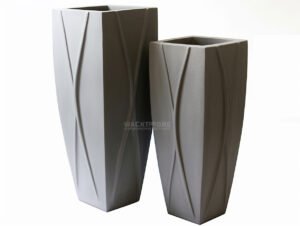
When embarking on any construction or architectural project, one of the most critical considerations is the materials used and their adaptability to the specific needs of the project. Glassfiber Reinforced Concrete (GRC) has emerged as a highly versatile and innovative material in this regard. GRC manufacturers, such as Zhuhai Dezi Construction Materials Co. Ltd, have showcased their capability to provide customized solutions tailored to various project requirements. Let’s delve into how GRC manufacturers achieve this and the benefits it brings to the construction industry. Customized Planter of GRC Understanding GRC and Its Applications GRC, or Glassfiber Reinforced Concrete, is a composite material made of cement, sand, aggregates, and alkali-resistant glass fibers. This unique combination results in a material that is not only lightweight and strong but also highly versatile. GRC panels can be used for a variety of applications, including building facades, interior decorations, landscape sculptures, and more. The material’s

Read More »
Industry Knowledge

What is the Difference Between GRC and Aluminum Panels?

When it comes to architectural facades, the materials chosen can significantly impact the aesthetic appeal, functionality, and longevity of the structure. Two popular choices are Glassfiber Reinforced Concrete (GRC) and aluminum panels. Each material has its unique properties, benefits, and drawbacks, making it essential to understand the differences to make an informed decision. In this article, we will explore these differences and highlight why GRC might be the superior choice for your construction needs. Understanding GRC GRC, or Glassfiber Reinforced Concrete, is a composite material that combines cement, fine aggregate, water, chemical admixtures, and alkali-resistant glass fibers. This combination creates a highly durable and versatile material suitable for various architectural applications. Advantages of GRC Production Site of GRC Disadvantages of GRC Understanding Aluminum Panels Aluminum panels are widely used in modern construction due to their lightweight and versatile properties. They are often chosen for their aesthetic appeal and functional benefits.

Read More »

What is the difference between GRC and EPS material?

In the ever-evolving world of construction, selecting the right materials for both structural integrity and aesthetic appeal is crucial. Two popular materials, Glassfiber Reinforced Concrete (GRC) and Expanded Polystyrene (EPS), are frequently used for decorative and functional purposes in buildings. This article will delve into the fundamental differences between GRC and EPS, helping you make informed decisions for your next construction project. What is GRC? GRC, or Glassfiber Reinforced Concrete, is a composite material made from cement, fine aggregates, water, chemical admixtures, and alkali-resistant glass fibers. GRC is known for its high strength, lightweight nature, and versatility. It is typically used in thin-walled components that are both strong and lightweight, offering excellent resistance to weather and fire. Glassfiber Reinforced Cement Production Key Features of GRC: What is EPS? EPS, or Expanded Polystyrene, is a type of foam made from polystyrene beads that are expanded and fused together. EPS is widely

Read More »
Industry Knowledge

How is GFRC (Glass Fiber Reinforced Concrete) Made?

GFRC, or Glass Fiber Reinforced Concrete, is a versatile and widely used construction material known for its durability and flexibility in design. This article will explore the process of manufacturing GFRC, its raw materials, and introduce Dezi Construction, a reliable manufacturer of GFRC products. 1. The Raw Materials of GFRC: GFRC is composed of several key ingredients, each contributing to its unique properties: Portland Cement: The primary binding agent in GFRC, Portland cement provides strength and durability. Fine Aggregates: Materials such as sand and silica provide texture and improve the concrete’s workability. Water: Water is essential for the chemical reactions that lead to the hardening of the concrete. Admixtures: Various chemicals and additives can be included to enhance properties like workability, curing, and surface finish. Alkali-Resistant (AR) Glass Fibers: These thin, high-strength fibers serve as the reinforcement in GFRC. They enhance tensile and flexural strength while minimizing cracking. 2. Three

Read More »
Industry Knowledge

Why Glass Fibers are an Essential Component of GFRC Panels?

Glass Fiber Reinforced Concrete (GFRC) panels have gained widespread popularity in the construction industry due to their exceptional strength, durability, and versatility. These panels are widely used in architectural facades, interior and exterior cladding, and a variety of other applications. At the heart of the remarkable properties of GFRC panels lies the inclusion of glass fibers. In this article, we will explore why glass fibers are an essential component of GFRC panels and how they contribute to the unique characteristics that make GFRC an ideal choice for modern construction projects. Understanding GFRC Panels Before delving into the significance of glass fibers, it’s crucial to understand what GFRC panels are and why they are preferred in construction. GFRC is a specialized type of concrete that consists of a combination of fine aggregates, cement, water, and additives. What sets GFRC apart from traditional concrete is the addition of glass fibers, which are

Read More »
Industry Knowledge

How to Clean and Maintain GFRC Panels

Glass Fiber Reinforced Concrete (GFRC) panels are a popular choice in modern construction for their durability, versatility, and aesthetic appeal. Whether used in architectural facades, interior cladding, or decorative elements, GFRC panels can enhance the visual and structural aspects of a building. However, like any material, GFRC requires regular cleaning and maintenance to preserve its appearance and performance over time. In this article, we will discuss the steps and best practices for cleaning and maintaining GFRC panels. Why Cleaning and Maintenance are Important Proper cleaning and maintenance of GFRC panels are essential for several reasons: Preserve Aesthetics: GFRC panels often serve as a decorative element of a building’s facade or interior. Regular cleaning helps maintain their visual appeal by removing dirt, stains, and pollutants that can accumulate over time. Extend Lifespan: Cleaning and maintenance can significantly extend the lifespan of GFRC panels. Neglected panels may deteriorate faster, leading to costly

Read More »
Industry Knowledge

Tips for Using GRC Planters for Your Next Design Project

 In both indoor and outdoor design, choosing the right materials is crucial for achieving exceptional aesthetics and functionality. GRC (Glass Fiber Reinforced Concrete) planters are highly regarded for their durability, design flexibility, and diverse visual options. This article will introduce GRC planters, discuss their advantages, and provide some recommendations for using GRC planters in your design projects. 1. What are GRC Planters?  GRC planters are made from a blend of concrete and glass fibers, combining strength and lightweight properties. This material combines the robustness of concrete with the flexibility of glass fibers, making it an ideal choice for indoor and outdoor decorations. 2. Benefits of Using GRC Planters 3. Tips for Using GRC Planters 4. Obtain an Estimating Quote From a Reliable GRC Planters Supplier Before commencing your project, reach out to a dependable GRC planters supplier to acquire estimates regarding material costs, production timelines, and customization options. This will

Read More »

Ask For A Quick Quote

We will contact you within 1 working day, please pay attention to the email with the suffix “@constructgrc.com”

Don’t have complete drawings yet?

Just send us your preliminary requirements for a quick estimate.