

Glass Fiber Reinforced Concrete (GRC), also known as GFRC, has become one of the most versatile and innovative materials in the construction industry. Its strength, light weight, and ability to take on complex forms make it highly attractive for architects, contractors, and developers alike. However, specifying or ordering GRC products is not simply a matter of choosing a material off the shelf. To ensure that the components perform as expected and deliver long-term value, it is critical to understand the key considerations that go into selecting the right grade of GRC and the right manufacturing partner.
This article outlines the essential factors construction professionals should take into account when working with GRC, with a focus on performance standards, external applications, large-scale design assurance, and supplier selection.
1. Selecting the Appropriate Grade of GRC
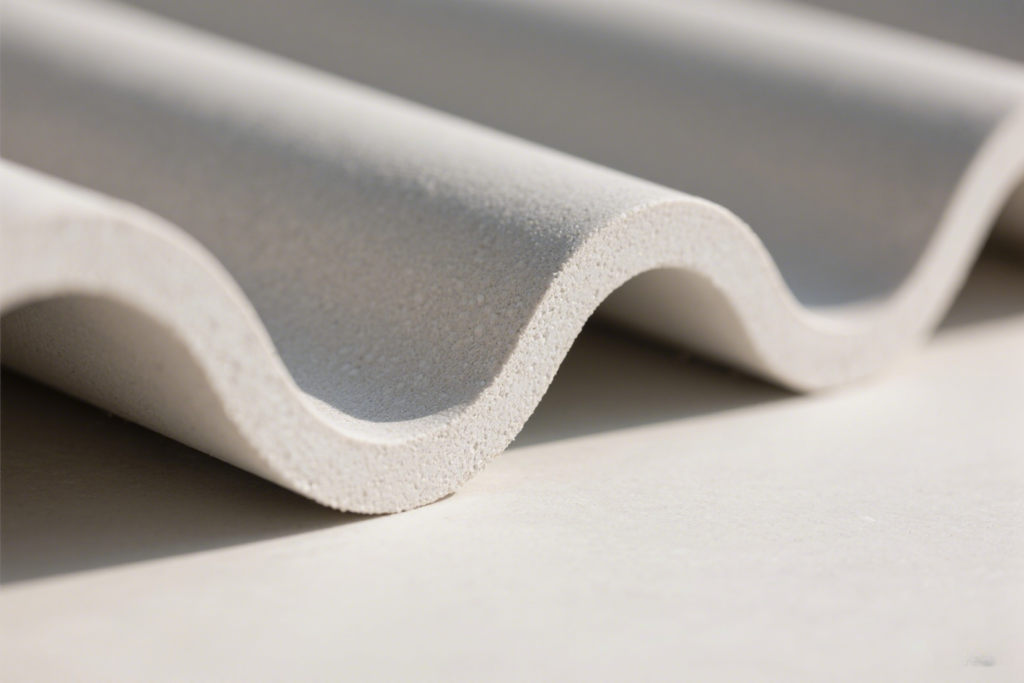
Not all GRC products are the same. Depending on the application, the grade of GRC can vary in terms of strength, density, flexibility, and durability. When specifying GRC, the starting point should always be the performance requirements of the project.
Shape and Size Requirements: GRC can be cast or sprayed into a wide range of shapes and dimensions. From small decorative elements to large façade panels, each design requires a different grade and mix formulation to ensure structural integrity.
Performance Standards: Designers or end users must clearly define the expected mechanical properties, weather resistance, and load-bearing capacity. For example, a decorative planter requires less structural performance compared to a façade panel exposed to high wind loads.
Durability Factors: Consider the environmental conditions in which the GRC component will operate. Exposure to moisture, freeze-thaw cycles, or aggressive urban environments may necessitate a higher grade of GRC with added durability.
By aligning the grade of GRC with the project’s shape, size, and performance criteria, contractors and distributors can ensure the material delivers both functional and aesthetic results.
2. External Applications: Structural Analysis and Design Factors
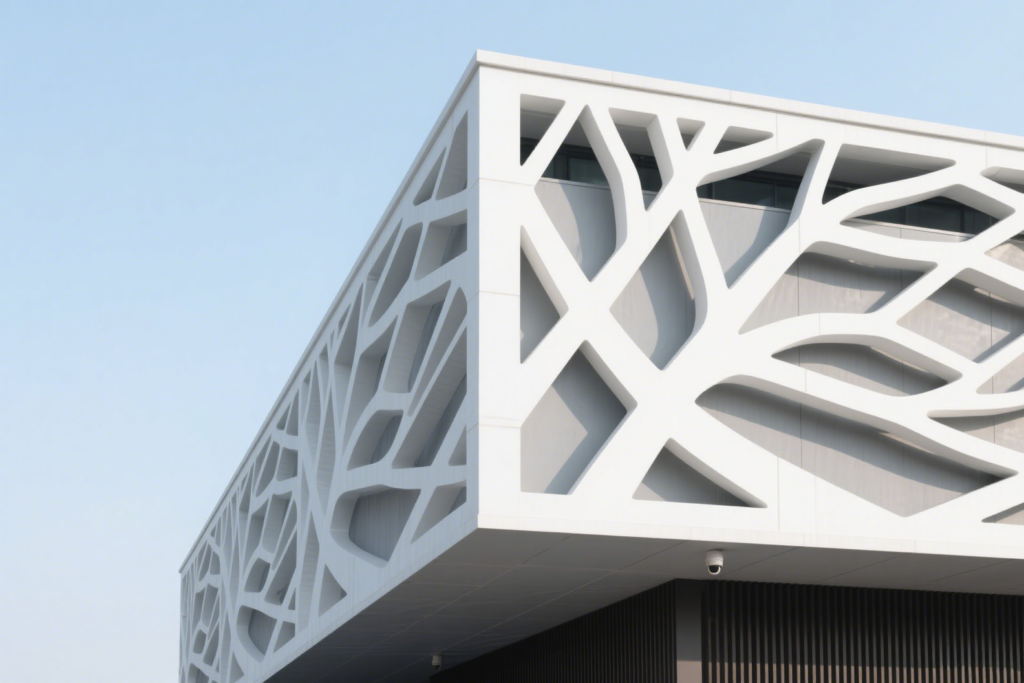
When GRC is used in external components—such as cladding panels, permanent formwork, or architectural façades—designers must take into account a number of structural considerations.
Applied Loads: GRC elements on the exterior of buildings are often subject to wind loads, seismic activity, or other external forces. Each panel or element must be analyzed to ensure it can withstand these pressures without cracking or deformation.
Support and Restraint: The performance of a GRC component depends not only on the material itself but also on how it is supported and restrained in the building system. Proper anchorage, framing, or fixing systems are essential to avoid movement or stress concentrations.
Thermal Expansion and Contraction: Like all cementitious materials, GRC responds to changes in temperature. Expansion in summer and contraction in winter can create stress points if not properly accommodated in the design. Joint detailing and flexible connections are essential to manage thermal movement.
Shrinkage and Deformation: GRC can undergo drying shrinkage, which needs to be factored into the structural analysis. For larger external components, allowances for shrinkage help prevent warping or cracking over time.
For non-structural external components—such as smaller panels, molds, or decorative trims—the requirements may be less stringent. In many cases, prefabricated cast or sprayed elements can be used without detailed structural analysis. However, when in doubt, verification through engineering calculations is always recommended.
3. Large-Scale External Components: The Need for Design Assurance
While small GRC components can often be produced and installed with minimal engineering review, large external elements require a more robust design approach. For projects involving oversized façade panels, structural columns, or load-bearing components, it is strongly advised to secure design assurance from the manufacturer or a qualified engineer.
Design assurance ensures that:
The GRC mix and reinforcement are suitable for the intended scale and loads.
The panel thickness, reinforcement distribution, and curing process meet the specified performance.
Long-term behavior, such as creep, shrinkage, and weathering, has been properly accounted for.
This step reduces the risk of premature failure and ensures the project complies with international standards and safety regulations. It also provides peace of mind for contractors, developers, and end users.
4. Choosing the Right Manufacturer
The quality and reliability of GRC products depend heavily on the expertise of the manufacturer. Not every producer has the capacity to meet demanding specifications, so choosing the right supplier is a key step in project success.
When evaluating a GRC manufacturer, contractors and distributors should consider:
Proven Experience: A manufacturer with a strong track record in producing similar GRC components is better equipped to deliver consistent quality.
Certifications and Accreditation: Look for suppliers who are recognized by industry authorities or have membership in professional associations. Accreditation indicates adherence to established standards and best practices.
Technical Support: Beyond production, a good GRC supplier should provide technical services such as shop drawing detailing, structural advice, and installation consultation.
Quality Control and Testing: Reliable manufacturers implement stringent quality control processes, including testing of compressive and flexural strength, dimensional accuracy, and surface finish.
Capacity for Customization: The ability to create tailored molds, finishes, and textures is often crucial in architectural projects. A qualified manufacturer should have the equipment and expertise to deliver such customization.
By partnering with a qualified and recognized GRC manufacturer, contractors and distributors minimize risks, save time, and ensure the material performs as intended on site.
Conclusion
Specifying or ordering GRC is not a one-size-fits-all process. From selecting the right grade to analyzing structural demands, and from ensuring design assurance for large components to carefully choosing a capable manufacturer, each decision directly impacts the success of the project.
For contractors and distributors, these considerations are more than just technical details—they are the foundation for delivering projects that meet both performance and aesthetic expectations. By approaching GRC with the right knowledge and partners, construction professionals can fully unlock the potential of this advanced building material, ensuring safety, durability, and beauty for years to come.