The evolution of modern architecture is intrinsically linked to the development of high-performance curtain wall systems that define a building’s aesthetic and functional identity. As urban landscapes become more ambitious, the choice of cladding materials has shifted from mere weatherproofing to a complex balance of weight, thermal efficiency, and artistic expression. While traditional materials remain staples in the industry, innovative composites are bridging the gap between structural necessity and avant-garde design.
Aluminum provides a lightweight and corrosion-resistant framework that remains the backbone of modern curtain wall engineering.
Aluminum is perhaps the most widely used material in the facade industry due to its exceptional strength-to-weight ratio. It allows for the creation of large, sleek panels that do not impose excessive loads on the building’s primary structure. Furthermore, its natural resistance to oxidation, enhanced by modern powder coating or anodizing techniques, ensures that the facade remains durable against harsh environmental conditions. From a sustainability standpoint, aluminum is highly recyclable, aligning with the green building standards (such as LEED) that many modern developers prioritize. However, while aluminum is excellent for linear and sharp-edged designs, it can be costly and labor-intensive when forced into complex, organic curves.
Glass offers unparalleled transparency and thermal performance, serving as the primary medium for natural light integration.
The “glass box” aesthetic continues to dominate commercial architecture because of its ability to blur the lines between interior and exterior spaces. Modern curtain walls utilize high-performance Insulated Glass Units (IGUs) with Low-E coatings to manage solar heat gain while maximizing daylight. This material is essential for creating high-visibility retail spaces and prestigious office towers. Despite its beauty, glass is inherently fragile and limited in its geometric versatility; it excels in flat or cylindrical planes but struggles to provide the solid, tactile “mass” that many monumental or neoclassical designs require.
GRC (Glassfiber Reinforced Concrete) emerges as a transformative material for designers seeking complex geometries and long-term structural integrity.
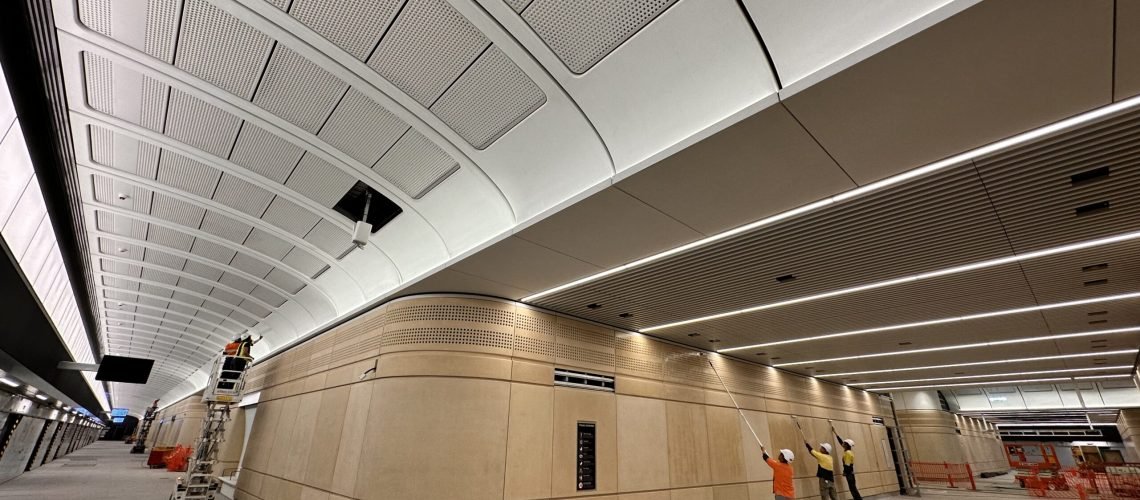
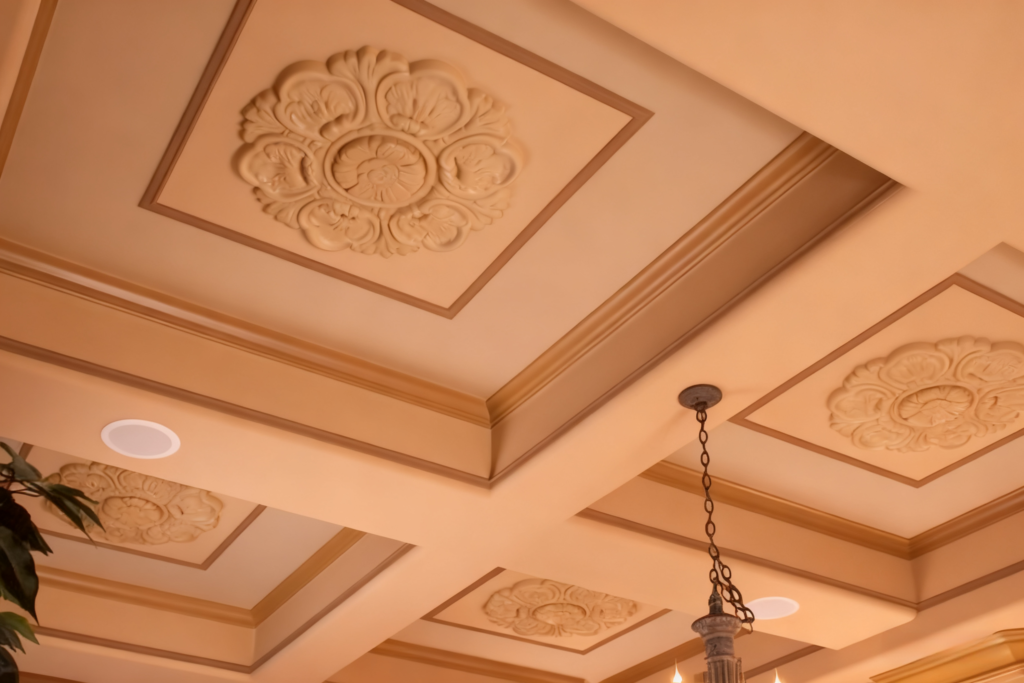
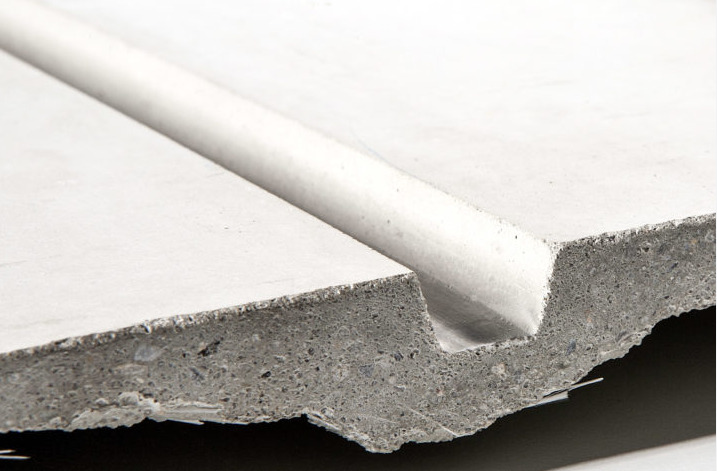
While not as ubiquitous as glass or metal, GRC is rapidly becoming the preferred choice for architects who refuse to be limited by standard shapes. GRC is a composite of high-strength glass fibers embedded in a concrete matrix, resulting in a material that is significantly lighter than traditional precast concrete but equally—if not more—durable. Its true strength lies in its plasticity; because it is cast in molds, GRC can achieve intricate 3D patterns, sweeping double-curved surfaces, and complex perforated “mashrabiya” styles that would be impossible or prohibitively expensive in stone or metal. Furthermore, GRC is non-combustible and offers excellent acoustic insulation, making it as safe as it is beautiful.
The durability and low maintenance requirements of GRC make it an economically sound investment for large-scale developments.
Beyond its aesthetic flexibility, GRC is engineered to withstand the test of time and extreme weather. Unlike metal, it does not dent or corrode, and unlike natural stone, it does not suffer from internal veining weaknesses. The material’s low coefficient of thermal expansion ensures that joints remain stable, reducing the risk of water infiltration over decades of use. For developers, this translates to lower lifecycle costs. The ability to finish GRC in a variety of textures—ranging from smooth polished stone to rugged natural wood grain—allows it to mimic more expensive materials while providing superior performance in a curtain wall context.
Innovative cladding systems now favor a hybrid approach, combining the strengths of multiple materials to achieve peak performance.
Today’s most iconic landmarks rarely rely on a single material; instead, they integrate aluminum frames, glass spans, and GRC feature panels. By using GRC for the “solid” portions of a facade, architects can create deep shadows and bold textures that contrast beautifully with the reflective surfaces of glass. This synergy allows for better control over the building’s thermal mass. GRC can be used to create sun-shading fins or decorative cornices that protect the glass elements, thereby reducing cooling loads and enhancing the occupant’s comfort. This holistic approach to material selection is what separates a standard building from an architectural masterpiece.
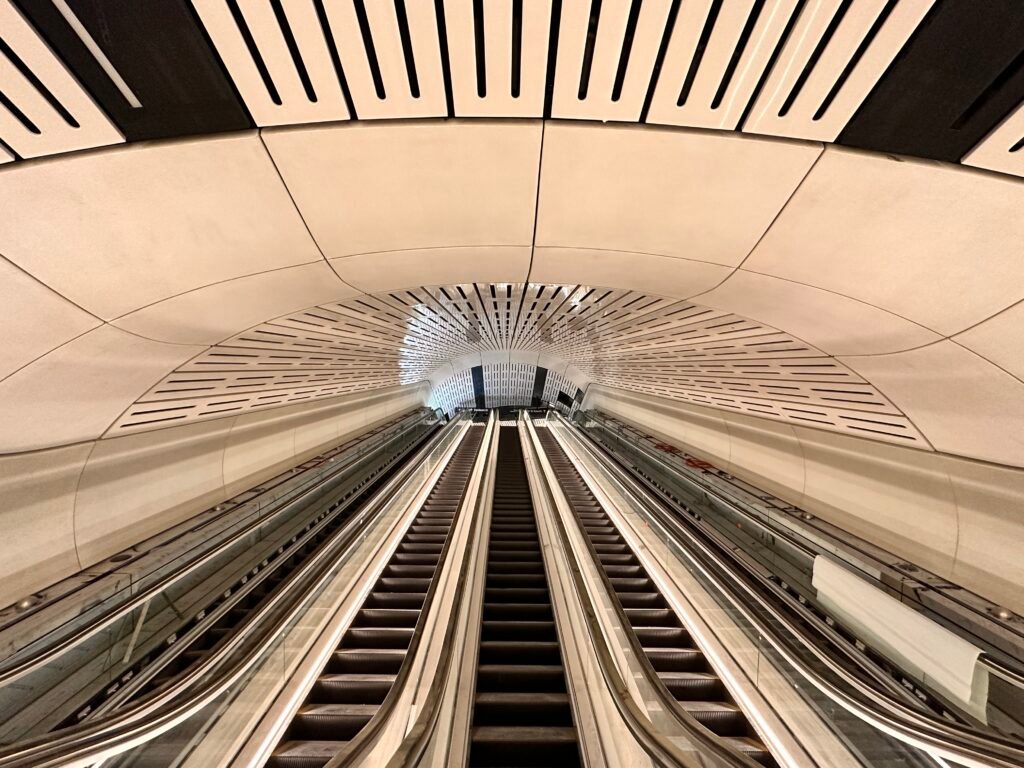
Conclusion: Choosing the Right Partner for Your Facade
Selecting the right material is only half the battle; the success of a curtain wall system depends heavily on the precision of the manufacturing and the expertise of the supplier. Whether you are aiming for a sleek minimalist look or a complex geometric feat, GRC offers a unique opportunity to push the boundaries of what is possible in modern construction.
About Zhuhai Dezi Construction Materials Co., Ltd.
As a leader in the architectural cladding industry, Zhuhai Dezi Construction Materials Co., Ltd. has been at the forefront of GRC innovation for over 25 years. We specialize in the design, mold-making, and production of high-quality GRC precast components tailored for global markets.
With an extensive portfolio of successful international projects, we bring rich export experience and a deep understanding of international building codes to every partnership. Our state-of-the-art manufacturing facility ensures that every panel—regardless of how complex the geometry—is produced with millimetric precision and exceptional durability. At Dezi, we don’t just manufacture building materials; we provide the tools for architects to realize their most ambitious visions.