Blog

Industry Knowledge

How is GFRC (Glass Fiber Reinforced Concrete) Made?

GFRC, or Glass Fiber Reinforced Concrete, is a versatile and widely used construction material known for its durability and flexibility in design. This article will explore the process of manufacturing GFRC, its raw materials, and introduce Dezi Construction, a reliable manufacturer of GFRC products. 1. The Raw Materials of GFRC: GFRC is composed of several key ingredients, each contributing to its unique properties: Portland Cement: The primary binding agent in GFRC, Portland cement provides strength and durability. Fine Aggregates: Materials such as sand and silica provide texture and improve the concrete’s workability. Water: Water is essential for the chemical reactions that lead to the hardening of the concrete. Admixtures: Various chemicals and additives can be included to enhance properties like workability, curing, and surface finish. Alkali-Resistant (AR) Glass Fibers: These thin, high-strength fibers serve as the reinforcement in GFRC. They enhance tensile and flexural strength while minimizing cracking. 2. Three

Read More »
Industry Knowledge

Why Glass Fibers are an Essential Component of GFRC Panels?

Glass Fiber Reinforced Concrete (GFRC) panels have gained widespread popularity in the construction industry due to their exceptional strength, durability, and versatility. These panels are widely used in architectural facades, interior and exterior cladding, and a variety of other applications. At the heart of the remarkable properties of GFRC panels lies the inclusion of glass fibers. In this article, we will explore why glass fibers are an essential component of GFRC panels and how they contribute to the unique characteristics that make GFRC an ideal choice for modern construction projects. Understanding GFRC Panels Before delving into the significance of glass fibers, it’s crucial to understand what GFRC panels are and why they are preferred in construction. GFRC is a specialized type of concrete that consists of a combination of fine aggregates, cement, water, and additives. What sets GFRC apart from traditional concrete is the addition of glass fibers, which are

Read More »
Industry Knowledge

How to Clean and Maintain GFRC Panels

Glass Fiber Reinforced Concrete (GFRC) panels are a popular choice in modern construction for their durability, versatility, and aesthetic appeal. Whether used in architectural facades, interior cladding, or decorative elements, GFRC panels can enhance the visual and structural aspects of a building. However, like any material, GFRC requires regular cleaning and maintenance to preserve its appearance and performance over time. In this article, we will discuss the steps and best practices for cleaning and maintaining GFRC panels. Why Cleaning and Maintenance are Important Proper cleaning and maintenance of GFRC panels are essential for several reasons: Preserve Aesthetics: GFRC panels often serve as a decorative element of a building’s facade or interior. Regular cleaning helps maintain their visual appeal by removing dirt, stains, and pollutants that can accumulate over time. Extend Lifespan: Cleaning and maintenance can significantly extend the lifespan of GFRC panels. Neglected panels may deteriorate faster, leading to costly

Read More »
Industry Knowledge

Tips for Using GRC Planters for Your Next Design Project

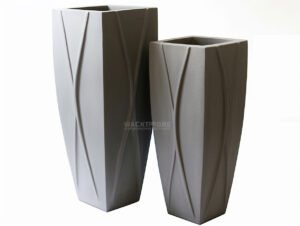
 In both indoor and outdoor design, choosing the right materials is crucial for achieving exceptional aesthetics and functionality. GRC (Glass Fiber Reinforced Concrete) planters are highly regarded for their durability, design flexibility, and diverse visual options. This article will introduce GRC planters, discuss their advantages, and provide some recommendations for using GRC planters in your design projects. 1. What are GRC Planters?  GRC planters are made from a blend of concrete and glass fibers, combining strength and lightweight properties. This material combines the robustness of concrete with the flexibility of glass fibers, making it an ideal choice for indoor and outdoor decorations. 2. Benefits of Using GRC Planters 3. Tips for Using GRC Planters 4. Obtain an Estimating Quote From a Reliable GRC Planters Supplier Before commencing your project, reach out to a dependable GRC planters supplier to acquire estimates regarding material costs, production timelines, and customization options. This will

Read More »

GFRC Garden Furniture

Garden furniture serves not only as functional elements but also as decorative pieces that add character to outdoor spaces. GFRC, a versatile material comprising cement, fine aggregates, water, glass fibers, and additives, has emerged as a favorite choice for crafting durable and stylish garden furniture. Its ability to mimic various textures, withstand outdoor conditions, and seamlessly blend with nature makes it a natural fit for gardens. Benefits of GFRC Garden Furniture Aesthetic Appeal: GFRC garden furniture can replicate the appearance of natural stone, wood, or other materials, providing a visually appealing and harmonious addition to your garden. Durability: The combination of glass fibers with concrete lends GFRC exceptional strength, making it resistant to weathering, cracking, and fading even in challenging outdoor environments. Lightweight: Despite its strength, GFRC is lighter than traditional concrete, allowing for easy transportation and rearrangement of furniture. Customization: GFRC’s flexibility in design and casting enables the creation of intricate shapes and

Read More »
Industry Knowledge

GFRG Panels: Exploring Advantages and Disadvantages

In the realm of modern construction, innovative materials are continuously shaping the way we design and build. One such material that has garnered attention for its unique properties is Glass Fiber Reinforced Gypsum (GFRG). GFRG panels offer a balance between strength, aesthetics, and versatility, making them a compelling choice for a variety of architectural applications. In this article, we will delve into the features, advantages, and disadvantages of GFRG panels, helping you make an informed decision when considering their use in construction projects. Features of GFRG Panels GFRG panels are manufactured by combining gypsum plaster with glass fibers, resulting in a composite material that exhibits the qualities of both components. The glass fibers enhance the panels’ tensile and flexural strength, while the gypsum contributes to its lightweight nature and fire-resistant properties. The panels are typically prefabricated, allowing for quick and efficient installation. GFRG Panels Advantages Lightweight: GFRG panels are significantly lighter

Read More »

Glass Fiber Reinforced Concrete: A Modern Marvel in Construction

Introduction to Glass Fiber Reinforced Concrete In the realm of construction and architecture, innovation continues to shape the way we design and build our surroundings. One such innovation is Glass Fiber Reinforced Concrete (GFRC), a composite material that has revolutionized the construction industry. With its remarkable properties, GFRC offers a balance between strength, flexibility, and aesthetic appeal. This article explores the properties, advantages, disadvantages, and diverse applications of GFRC, showcasing its significance in modern construction. Properties of Glass Fiber Reinforced Concrete GFRC is a composite material composed of cement, fine aggregates, water, alkali-resistant glass fibers, and additives. These elements combine to create a material with distinct properties: Strength and Durability: The incorporation of glass fibers enhances the tensile strength and flexural properties of concrete, making GFRC highly durable and resistant to cracking. Lightweight: Despite its strength, GFRC is significantly lighter than traditional concrete, making transportation and installation more manageable. Versatility: GFRC can be

Read More »

GFRC Decorative Rocks and Stones

Creating Faux Rock with GFRC The allure of natural rocks and stones in landscaping and architecture is undeniable. They evoke a sense of solidity, timelessness, and organic beauty. However, incorporating natural rocks into projects often comes with challenges related to weight, cost, and availability. This is where the innovation of GFRC (Glass Fiber Reinforced Concrete) comes into play. With Dezi Construction at the forefront, the creation of faux rocks and stones has taken on a new dimension, offering the perfect balance between aesthetics and practicality. Rocks vs. GFRC Rocks While natural rocks have their intrinsic charm, GFRC rocks present an array of advantages that make them an increasingly popular choice for architects, designers, and landscapers. Here’s a comparison between natural rocks and their GFRC counterparts: Weight: Natural rocks can be heavy, requiring specialized equipment and careful consideration during installation. GFRC rocks, on the other hand, are significantly lighter, making transportation and

Read More »

Guide to GFRC Surface Texture and Finish

GRC (Glass Fiber Reinforced Concrete) has evolved into an essential component of modern construction due to its exceptional durability, lightweight nature, and design versatility. With over two decades of experience in the GRC industry, Dezi Construction has emerged as a leading manufacturer in this field. Serving a diverse clientele including contractors, building material wholesalers, and architectural design firms, Dezi Construction’s expertise in GFRC products is unparalleled. This article aims to provide an in-depth exploration of GFRC surface textures and finishes, shedding light on the diverse range of options available for enhancing architectural aesthetics. 1. GFRC Offers Versatility in Surface Texture and Finish GRC’s unique composition of cement, fine aggregates, glass fibers, and additives enables it to be molded into a variety of shapes and sizes. Beyond this structural adaptability, its surface texture and finish options allow architects and designers to achieve the desired aesthetic effect for their projects. Whether the

Read More »
Industry Knowledge

A Comparison of Precast Concrete and GFRC

In the realm of architectural and construction materials, both precast concrete and GFRC (Glass Fiber Reinforced Concrete) have gained prominence for their unique characteristics and design versatility. Understanding the differences between these two materials is essential for making informed decisions in construction projects. This article delves into a comprehensive comparison of precast concrete and GFRC, highlighting their distinctions, advantages, and why Dezi Construction emerges as the preferred partner for GFRC solutions. 1. Precast Concrete Compared to GFRC Precast concrete and GFRC are two distinct materials that share the common goal of providing durable and aesthetically appealing solutions for architectural projects. However, they exhibit significant differences in terms of composition, production methods, and applications. 2. The Differences between Precast Concrete and GFRC Here’s a detailed comparison of the key aspects between precast concrete and GFRC: Aspect Precast Concrete GFRC Composition Traditional concrete mix without fibers Cement, fine aggregates, glass fibers Weight

Read More »

Ask For A Quick Quote

We will contact you within 1 working day, please pay attention to the email with the suffix “@constructgrc.com”

Don’t have complete drawings yet?

Just send us your preliminary requirements for a quick estimate.